
Feasibility Analysis of Intelligent Computing Power as the Anchor of Future Currency
Core Definition
A currency anchor refers to an underlying benchmark that features value consensus, scarcity, quantifiability, easy circulation and stable value. It can underpin the total currency issuance, hedge against inflation and establish a global value scale.
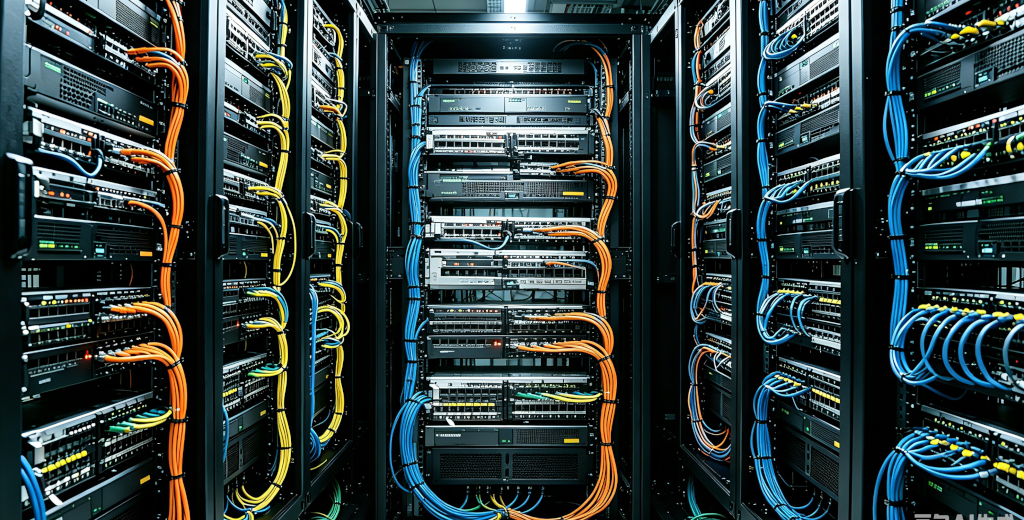
Computing power anchoring means taking effective intelligent computing power (computing power for AI training and reasoning) as the value benchmark. The total currency issuance is linked to the socialized standardized computing power production capacity and output value, serving as a new value foundation to partially replace gold, petroleum and national credit.
Feasible Supporting Advantages
- Sufficient rigid demand for value
First, the digital economy, artificial intelligence, metaverse, industrial digitalization, biomedical research and other industries are highly dependent on computing power, which acts as the core means of production in the intelligent era with long-term rising rigid demand. Second, computing power can be directly converted into economic output value, technological achievements and data assets, possessing tangible productive value and differing from the illusory value of pure credit-based currency. - Accurate and standardized quantification
Uniform measurement units such as FLOPS, TOPS and token computing power units are available for full-network statistics, on-chain traceability and third-party verification.It is feasible to distinguish idle computing power, invalid computing power and commercial intelligent computing power, and establish a standardized computing power valuation system, meeting the quantitative issuance requirements for currency anchoring. - Inherent physical scarcity
High-end computing power is restricted by four hard constraints: advanced process chips, energy supply, heat dissipation infrastructure and top algorithm talents, so it cannot be infinitely expanded, solving the problem of inflation caused by excessive issuance of fiat currency.The expansion speed of computing power matches the growth of science, technology and economy, with better supply flexibility than gold and stronger rigidity than credit currency. - Global circulation free from regional barriers
Computing power can be scheduled across regions, leased cross-border and delivered via cloud platforms without geographical restrictions, making it easy to form a unified global value consensus and adapt to cross-border trade and digital trade settlement. - Value cycle compatible with the new-era economy
Land served as the anchor in the agricultural era, petroleum and gold in the industrial era, and data in the information era. It is highly consistent with social development logic to take computing power as the anchor in the intelligent era.Computing power assets can be stored, circulated and mortgaged, owning the attribute of wealth preservation. - Preliminary policy and market application
Many countries have deployed computing power reserves, special computing power treasury bonds and computing power exchanges. Global computing power pricing, futures and other financial products are gradually launched, laying a foundation for commercialization and monetization.
Core Restricting Deficiencies
- Rapid technological iteration leads to severe value depreciation
Following Moore’s Law, the performance of computing hardware doubles every 1 to 2 years, and outdated computing power depreciates rapidly. Its insufficient value stability makes it impossible to realize long-term value preservation like gold. - High energy consumption subject to strict energy policies
Large-scale intelligent computing consumes huge amounts of electricity, which is greatly affected by carbon neutrality goals, power supply and energy price fluctuations. Changes in computing power costs will directly undermine the stability of anchoring value. - Highly concentrated computing power triggers monopoly risks
High-end intelligent computing power is controlled by a small number of enterprises and countries, which may easily form computing power hegemony and damage the fairness and universal applicability of currency anchoring. - Strong resistance from the sovereign monetary system
All countries firmly hold the right of currency issuance and financial sovereignty. A pure computing power standard will weaken the dominant position of sovereign credit-based fiat currency, so sovereign economies show low initiative in promoting it. - Difficulty in separating bubbles from real computing power value
Market speculation, idle idle computing power and conceptual computing power are mixed together, making it hard to screen out real productive computing power and easily resulting in inflated value and distorted anchoring benchmarks. - Weak emergency risk resistance
Geopolitical conflicts, chip supply cuts, failures of computing centers and technical blockades may sharply reduce computing power supply, whose risk resistance is far inferior to that of gold and bulk commodities.
Hierarchical Feasibility Conclusion
- Complete substitution mode (pure computing power standard): Infeasible
It cannot solve core problems including value depreciation, resistance from sovereign finance, energy fluctuation and monopoly, so it can never replace fiat currency and gold as the sole currency anchor in the short and long run. - Supplementary anchoring mode (mainstream orientation): Highly feasible
It serves as a vital part of the diversified currency anchor portfolio, forming a quaternary anchoring system consisting of national credit, gold reserves, energy and intelligent computing power.It can be applied to digital finance, cross-border digital settlement, exclusive tokens in the AI industry and computing power financial pricing, and adjust the rhythm of currency supply to hedge against inflation and deflation in the technology industry, suiting the regulation needs of the digital economy. - Scenario-specific exclusive anchoring: Fully feasible
Internal circulating currency and points in the virtual digital economy and AI industry
Value anchoring for pricing cross-border digital trade, cloud services and big data industry settlement
Value endorsement for technology-based digital assets and computing power asset tokens.
Feasible Implementation Paths
Establish unified global evaluation and pricing standards for effective intelligent computing power to eliminate low-efficiency and obsolete computing power.
Take low-carbon green computing power as the core anchoring subject to reduce the impact of energy consumption fluctuations.
Set up national computing power reserve banks and incorporate them into the national financial reserve system similar to gold reserves.
Adopt the monetary issuance mode dominated by credit and fine-tuned by computing power, and take the growth rate of computing power as the reference indicator for monetary easing and tightening.
Prioritize the pilot application of the computing power pricing system in digital economic pilot zones and cross-border digital settlement fields.
Final Summary
Long-term ultimate form: Intelligent computing power cannot become the sole global currency anchor due to inherent physical and institutional defects.
Medium-term mainstream trend: Computing power will inevitably become the most important auxiliary currency anchor in the new era, and build a diversified value anchor system together with gold, energy and national credit.
Industrial practical conclusion: As a segmented currency anchor, computing power boasts strong implementation feasibility in the fields of digital economy, artificial intelligence and cross-border digital finance, and will become the biggest reform direction of the financial value system in the next decade.
HoulMeigh Service Team
